
Lorestan: A Treasure Trove of Medicinal Plants
The climate of Lorestan is one of the most suitable regions in the country for cultivating medicinal plants, and attention to the cultivation of medicinal and greenhouse plants, in addition to improving business, also leads to the development and economic prosperity of the province.
, The presence of one thousand and 700 plant species in the heights of Lorestan province has made this province one of the genetic reserves for the cultivation of various medicinal plants.
According to the report of the Agricultural Research Center of Lorestan province, 300 species of medicinal plants in the province are used for treatment and to provide health and human health.
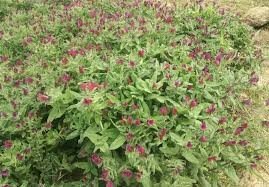
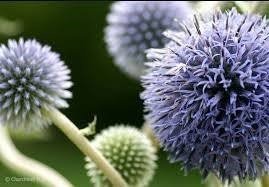
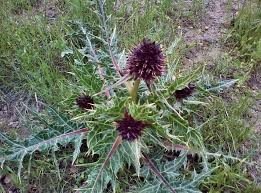
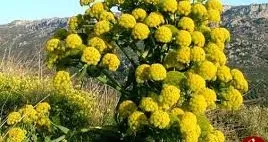
The most important wild medicinal plants in the province include tragacanth, shallot, licorice, thyme, chamomile, fennel, borage, rhubarb, thistle, yarrow, khakshir, wild roses, and sage.
Other important plant species that are distributed in the province in medicinal, industrial, and aromatic forms and are also produced in bulk in the agricultural sector include garlic, fennel, coriander, rapeseed, and black seed.
Today, the desire to consume medicinal plants, especially plants that are prescribed based on weight loss and obesity diets, relieving depression, increasing energy, and also medicinal plants effective on the health and beauty of skin and hair, is increasing in different societies.
It should be noted that nature has always been the cradle of beauty and a manifestation of God, and the plant species found in it are considered as a food and medicinal source for humans.
The trend of using herbal medicines, especially in recent years, has been increasing, and one of the most important reasons for this is the proven side effects and destructive effects of chemical drugs.
The characteristics of these plants include low water consumption, the ability to grow in many soils, and even the possibility of cultivation in apartments, as well as their rapid yield.
Based on official statistics, out of a total of eight thousand and 425 plant species identified in the country, about 2 thousand and 300 types have medicinal, aromatic, spice, cosmetic, and health properties.
Annual import of $180 million of medicinal plants to the country
180 million dollars of medicinal plants are imported into the country annually, which can be reduced by increasing the cultivated area and strengthening the knowledge of this field.
Unfortunately, due to the lack of attention from officials in recent years, the export of medicinal plants in the country has decreased by 40%
The amount of exports in the first 6 months of the year for various types of medicinal plants in the country was announced to be about 450 tons, and it was said that this statistic has decreased by about 40% compared to the same period last year due to Corona.
Last year, out of 2,200 tons of various types of medicinal plants harvested, one thousand and 820 tons were exported to European countries and the Persian Gulf region, with a value of more than 15 million euros.
He continued: Despite the spread of the Corona virus and the intensification of sanctions, it is predicted that the export of medicinal plants will reach about 900 tons by the end of the second six months of this year.
So far, one thousand and 700 species of medicinal plants have been identified in the province, and Lorestan has the second largest forest cover in the country and is known as the green pharmacy of Iran. Lorestan has become one of the genetic reserves and natural habitats for the cultivation of medicinal plants
Lorestan, due to its different climate and climatic diversity and suitable vegetation, is the most suitable climate for cultivating medicinal plants, and attention to the cultivation of medicinal and greenhouse plants, in addition to improving business, also leads to the development and economic prosperity of the province.
.
Cultivation of saffron, garlic, shallot, and other medicinal plants, with the presence of "processing, essential oil extraction, and extraction" industries and pharmaceutical industries and packaging industries, has the capacity to create employment and increase extraordinary income for the province.
14 thousand tons of medicinal plants are harvested annually in Lorestan
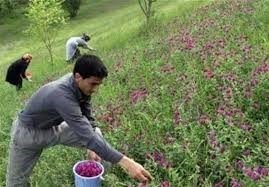
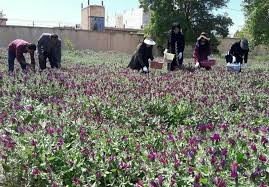
14 thousand tons of medicinal plants are harvested annually from three thousand hectares of land in this province. There is a capacity to cultivate 10 thousand hectares of medicinal plants in Lorestan: Climatic conditions and favorable weather have made Lorestan have a suitable capacity for cultivating medicinal plants.
Other important plant species that are distributed in the province in medicinal, industrial, and aromatic forms and are also produced in bulk in the agricultural sector include garlic, fennel, coriander, rapeseed, and black seed.
The cultivation of medicinal plants has a very suitable economic justification. Considering that one hectare of medicinal plant cultivation provides for a family's expenses, the development of medicinal plant cultivation should be put on the agenda.
Currently, the culture of using medicinal plants in the province is not appropriate, and in this regard, we should use the capacity of the University of Medical Sciences and other universities and research centers.
Fortunately, Lorestan has numerous factories in the field of industrial and herbal medicines, and the production units of medicinal plants in the province should be strengthened.
Oral capsules of Zaranikam, making an ointment to remove eczema and dry skin, producing an immediate pain reliever for toothache, producing a herbal cream to repair wound and burn lesions, and investigating the effect of a combination of black olive oil and red ginseng root extract on pain and inflammation are ongoing projects.